

How Teachers Are Using Online Quizzes Around the World

The global eLearning market is set to hit $61.59 billion in 2026, and 95% of teachers are now incorporating edtech tools into their lesson planning and delivery. That's a big jump from when quizzes meant just printed sheets of paper to evaluate your knowledge.
This shift to online quizzes isn't just about using new tools; it's about changing how learning happens. Today, online quizzes are integrated into everyday lesson plans, rather than just a substitute for end-of-lesson assessments. They keep students engaged in real time, encourage active participation, and deliver instant feedback that helps reinforce learning as it happens.
In this blog, we will take a closer look at how teachers use them today and why this shift will continue to drive the evolution of learning.
Why Are Online Quizzes Becoming Popular Day By Day?
Before digital tools, assessments were mostly paper-based. Teachers handed out worksheets or exam papers, collected them, and graded them later. The approach worked, but it was time-consuming and mostly tested memory, not understanding. Feedback was slow, and by the time students saw their results, the lesson had already moved on. That's where formative assessment makes a difference. Teachers now use short, low-pressure quizzes to monitor understanding in real time and guide learning as it happens.
Research shows that frequent, low-stakes quizzes, often called retrieval practice, greatly boost retention and engagement. In simple terms, short quizzes act like memory boosters and help students lock in what they just learned. Tools like Kung Fu Quiz, Kahoot, Wayground, Google Forms, and Gimkit have made it much easier for teachers to integrate interactive quizzes into their lesson plans in minutes.
Each platform adds something different. Kung Fu Quiz turns YouTube videos into interactive video quizzes, and Kahoot helps by turning quizzes into fast-paced games. Platforms like Wayground come with memes and avatars to make quiz-based learning more engaging. Likewise, Google Forms keeps things simple and flexible. Gimkit focuses on game-based learning. Because of this, what used to be an occasional test is now a routine part of the lessons.
How Teachers Are "Quizzing" Today
Teachers use quizzes creatively to keep kids engaged. A common approach is bite-sized quizzes. Instead of long tests, they use short quizzes with just 3–5 questions, which act like learning checkpoints, enhancing rote memorisation.
A big classroom trend nowadays is gamification. Many quiz platforms sprinkle game elements into learning. Kung Fu Quiz, Kahoot, and Wayground have built-in leaderboards, points, timers, scores, and badges. When a quiz is over, a scoreboard flashes on screen, and top scorers get cheers, and teachers might offer small prizes or class badges to level up the fun. This taps into students' love of competition. In fact, an online survey found that almost 85% of teachers already use gaming techniques (badges, avatars, rewards) in class.
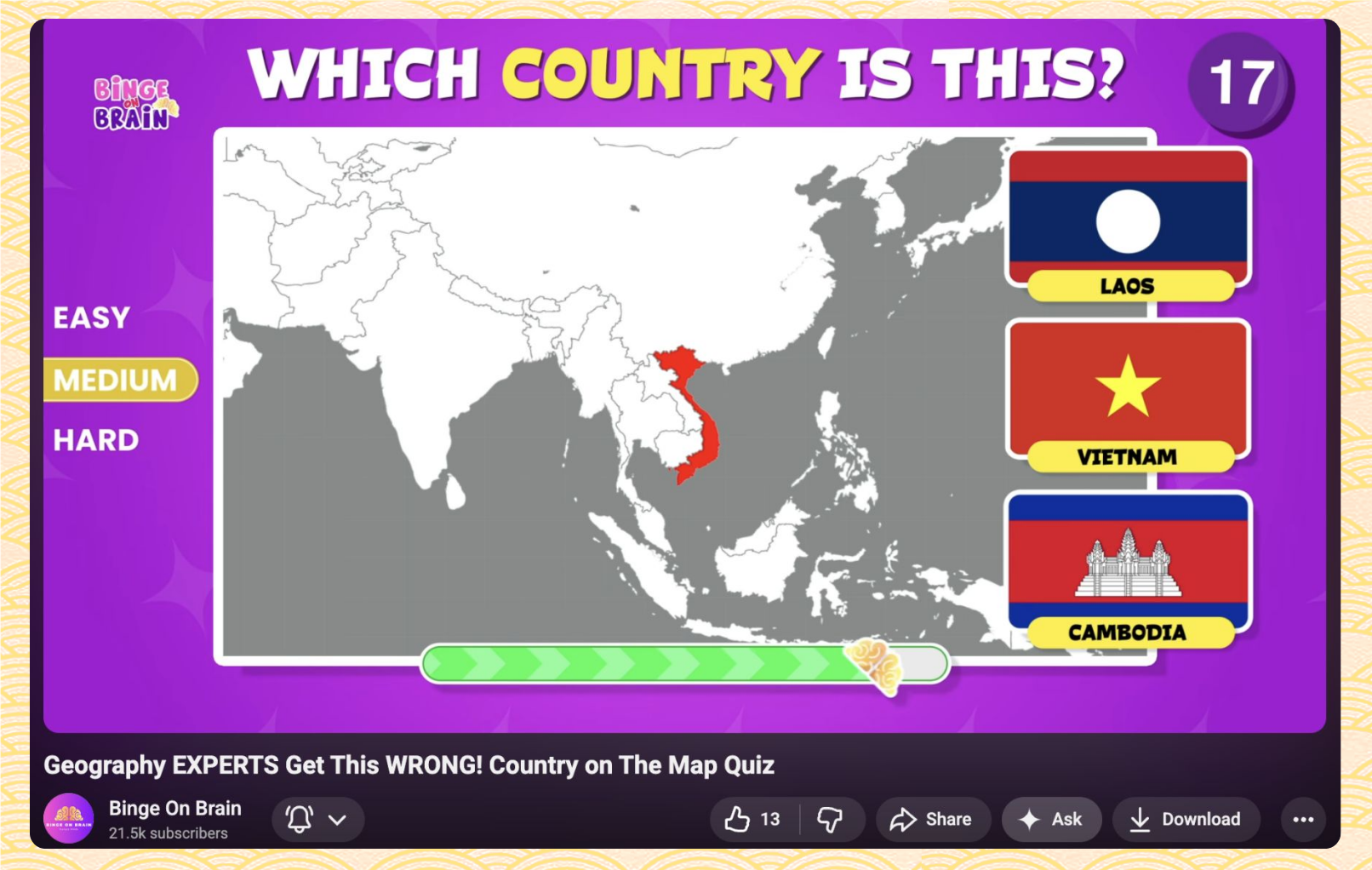
This idea has also expanded beyond classrooms, with many YouTube creators creating fun quizzes like animal quizzes, emoji quizzes, and General Knowledge quizzes. Teachers can take it a step further by turning these videos into interactive video quizzes using Kung Fu Quiz. This not only makes lessons more engaging but also provides meaningful insights into student understanding.
Quizzes are also becoming more personalised. With modern online assessment methods, many platforms can adjust question difficulty based on student performance. Students who are excelling can tackle more challenging questions, while others receive extra practice to build confidence. This supports differentiated learning and works well in blended learning environments. Over time, quiz data provides teachers with useful insights, turning quizzes into a tool that actively guides learning, not just measures it.
Global Usage Patterns by Region
North America and Europe
These regions have been early adopters of edtech. Many U.S. and European teachers use a wide variety of quiz apps (Kahoot, Wayground, Gimkit, Quizalize, etc.) in class and in blended learning programs. Quizzes are used for both formative assessments during lessons and summative assessments in tests. Schools here have also started exploring AI tools in education to save time for generating quiz questions. Overall, teachers here prioritise engagement, personalisation, and data, often using gamified quizzes with leaderboards and badges to keep students involved.
Asia-Pacific
Countries like Japan, South Korea, and China already have strong testing cultures, so digital quizzes for students fit naturally. Teachers use them for daily practice, revision, and exam preparation. In Southeast Asia, platforms like Kung Fu Quiz (KFQ) are growing among the likes of teachers. Many schools in Vietnam and Indonesia use KFQ's interactive video quizzes to make English or science lessons more engaging. With crowded classrooms, these tools let one teacher give instant practice problems and instant feedback to many students at once.
Middle East and Africa
In the Middle East and Africa, quiz adoption is growing through mobile-first learning. Many students rely on smartphones, so remote learning quizzes are designed to work on low data or even offline. Teachers use simple, accessible tools to support lessons, especially where internet access is limited. Countries like the UAE and South Africa are seeing steady growth, with local programs also creating quizzes in regional languages to improve basic skills.
South Asia (India, Nepal)
EdTech is booming in India, Nepal, Bangladesh, and nearby countries, driven by competitive exams and rising digital access. In India, especially, the e-learning market was about $10.24 billion in 2023 and is projected to nearly triple to $28.46 billion by 2029. Many students regularly use online quizzes in education for practice, mock tests, and revision. Teachers use quiz platforms to simulate real exam conditions and track performance. In Nepal and Bangladesh, too, more private schools are adding digital quizzes (often via Google Classroom and Forms) to blend with lectures.
Which Platforms Are Teachers Using?
Teachers today have a wide variety of quiz tools at their fingertips, and each platform brings something unique to the classroom:
Kung Fu Quiz
To turn any YouTube video into an interactive quiz, create flashcards, add images and audio to the quiz question, or even host live quizzes! Teachers can instantly engage students while gaining meaningful insights and performance data into their understanding. Perfect for lessons that mix learning with a dash of fun.
Teachers are also exploring platforms like Kahoot to gamify quizzes with points, timers, and leaderboards, Wayground to offer quizzes with memes, avatars, and game elements, gimkit to focus on game-based learning where students earn virtual currency for correct answers, and Google Forms for simple, flexible, and free quizzes ideal for quick quizzes, homework, exit tickets, and surveys. Teachers also utilise other platforms likeQuizlet, Nearpod, Formative, Booklet, and more. Each has unique features for flashcards, interactive lessons, and formative assessments.
Most teachers don't rely on just one platform. They mix tools based on what works best. For example, using Kahoot for live class engagement, Wayground for homework, and Kung Fu Quiz for interactive videos.

What's Next: Trends Shaping 2026
Several trends point to bigger growth in quiz-based learning in 2026. AI-powered quizzes are already emerging, where tools like Kahoot can auto-generate questions from a topic or textbook. Soon, teachers may just paste a lesson outline and get a fully customised quiz instantly. Quizzes will also adapt in real time, offering harder questions to students who answer correctly and extra practice for those who struggle.
Integration with Learning Management Systems is another key trend. More quizzes will connect directly to platforms like Google Classroom, Canvas, or Microsoft Teams, syncing scores automatically to gradebooks and saving teachers time. This makes online assessment smoother and more seamless across lessons.
Finally, data and learning analytics are set to transform how quizzes are used. Every quiz generates data, offering insights into what students missed, how fast they answered, and who needs extra attention. Dashboards will let teachers spot trends, adjust lessons, and track progress. In 2026, quizzes won't just be games; they'll be powerful tools feeding a smarter, data-driven educational ecosystem.
Frequently Asked Questions (FAQs)
How can teachers use quizzes?
To check understanding, review lessons, and prepare students for exams. They work well in both live classes and remote learning.
What is the 70/30 rule in teaching?
It means students should do about 70% of the work, while teachers guide 30%. Quizzes help achieve this by making students actively think and respond.
Are online quizzes still popular?
Yes, more than ever. They are a key part of online assessment methods and modern classrooms.
Why do teachers use online quizzes?
They save time, give instant feedback, and improve engagement. Plus, they make both formative assessment and summative assessment easier to manage.
How do online quizzes help students learn?
They improve memory, build confidence, and make learning interactive. Students learn by doing, not just listening.